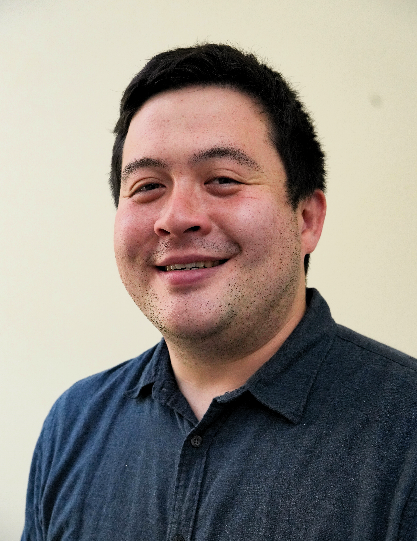
Benjamin Nyman, PhD
Ben's research centers on the ecology and control of invasive Aedes mosquitoes, with a doctoral focus on Ae. aegypti and Ae. albopictus interactions in California, including the role of water-holding plants as larval habitats and the efficacy of biocontrol agents such as Bti and insect growth regulators. That work integrated laboratory assays, vector district field collaborations, and computational modeling. His current program extends this multidisciplinary approach to radiation effects on Ae. aegypti for SIT, and the development of analytical tools that translate surveillance data into actionable management decisions. Ben hopes to continue his career in the public health sector within higher education, specifically by leveraging vector research as an accessible and valuable resource for engaging students in the diverse disciplines it incorporates without requiring expensive space or equipment by partnering with local agencies.
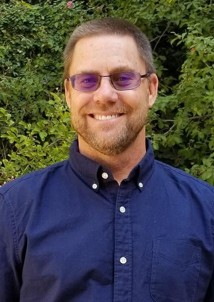
Alec Gerry, PhD
Professor and Cooperative Extension Specialist, University of California, Riverside
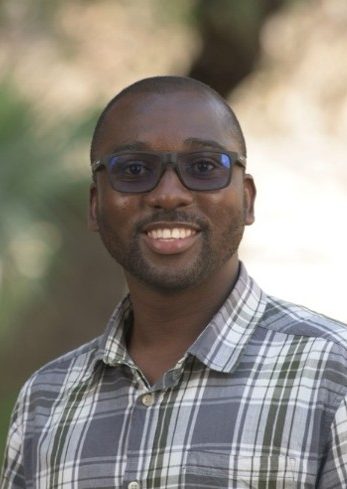
Ernest Boampong
Ernest Boampong is a third-year PhD student in Dr. Silvie Huijben's Lab, studying Environmental Life Science at Arizona State University (ASU). He holds a bachelor's degree in entomology and a master's degree in public health from Ghana. He is particularly interested in the relationship between the environment and mosquito vectors, how this impacts their ability to spread diseases, and how to most effectively manage them. His prior study focused on mosquito vectors, specifically examining insecticide resistance profiles in various locations of Ghana as well as conducting vector surveillance. Having worked with Dr. Silvie Huijben since Fall 2024, he has investigated the susceptibility profiles of Culex and Aedes mosquitoes to various adulticides in Maricopa County, on a scale that has never been done. Ernest is currently investigating the fitness costs of various field Culex quinquefasciatus strains in a laboratory setting. He has previously worked with Ghana's National Malaria Elimination Program and will use these experiences to advance his long-term career goal of becoming an academic researcher at the intersection of evolutionary biology and applied vector control, in close collaboration with public health agencies and global partners.
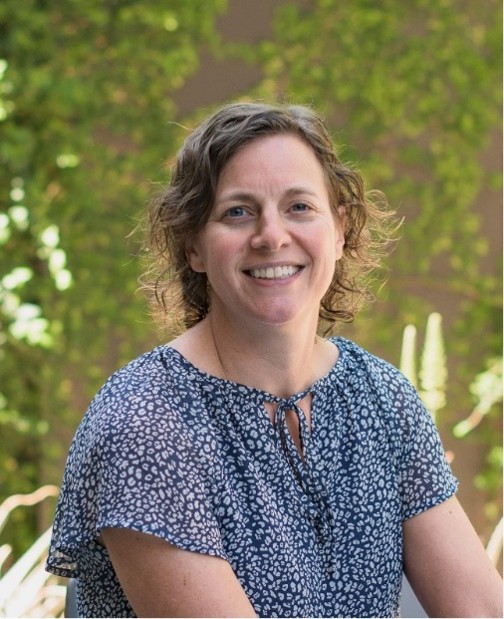
Silvie Huijben, PhD
Center for Evolution and Medicine and School of Life Sciences, Arizona State University
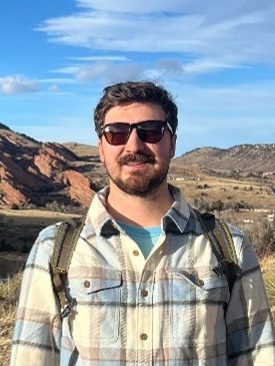
Thad Allen
Thad Allen is a second-year PhD student at Utah State University. He is interested in vector ecology, population and landscape genetics, and disease ecology. Thad graduated from Colorado College with a Bachelor of Arts and Sciences in Organismal Biology and Ecology in 2021 and worked in a pulmonary immunology lab at the University of Colorado’s Anschutz Medical Campus. PACVEC is allowing him to investigate larvicide resistance in Culex pipiens using genomic methods. He is excited to continue studying how vector species and their diseases adapt to control measures, urbanization, and climate change. Someday, he’d like to work in public health or vector control.
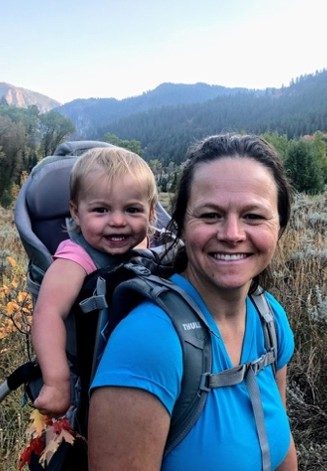
Norah Saarman, PhD
Assistant Professor Department of Biology and Ecology Center, Utah State University
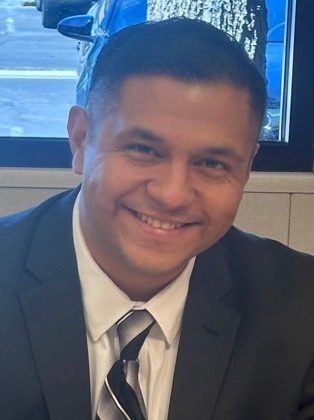
Alexander Tafoya
I am interested in conducting bioassays, rearing, and colonization in Aedes aegypti to determine the effectiveness of pyriproxyfen as a larvicide. I am interested in the process of utilizing PCR to determine gene expression and metabolic responses to the pyriproxyfen. Overall, I intend on gaining valuable field research experience to take into the study of nature conservation and herpetology. I plan to work in the field of herpetology, specifically rattlesnake research. I hold a deep fascination about gene exchange, environmental stressors, and the choice of prey and venom composition.
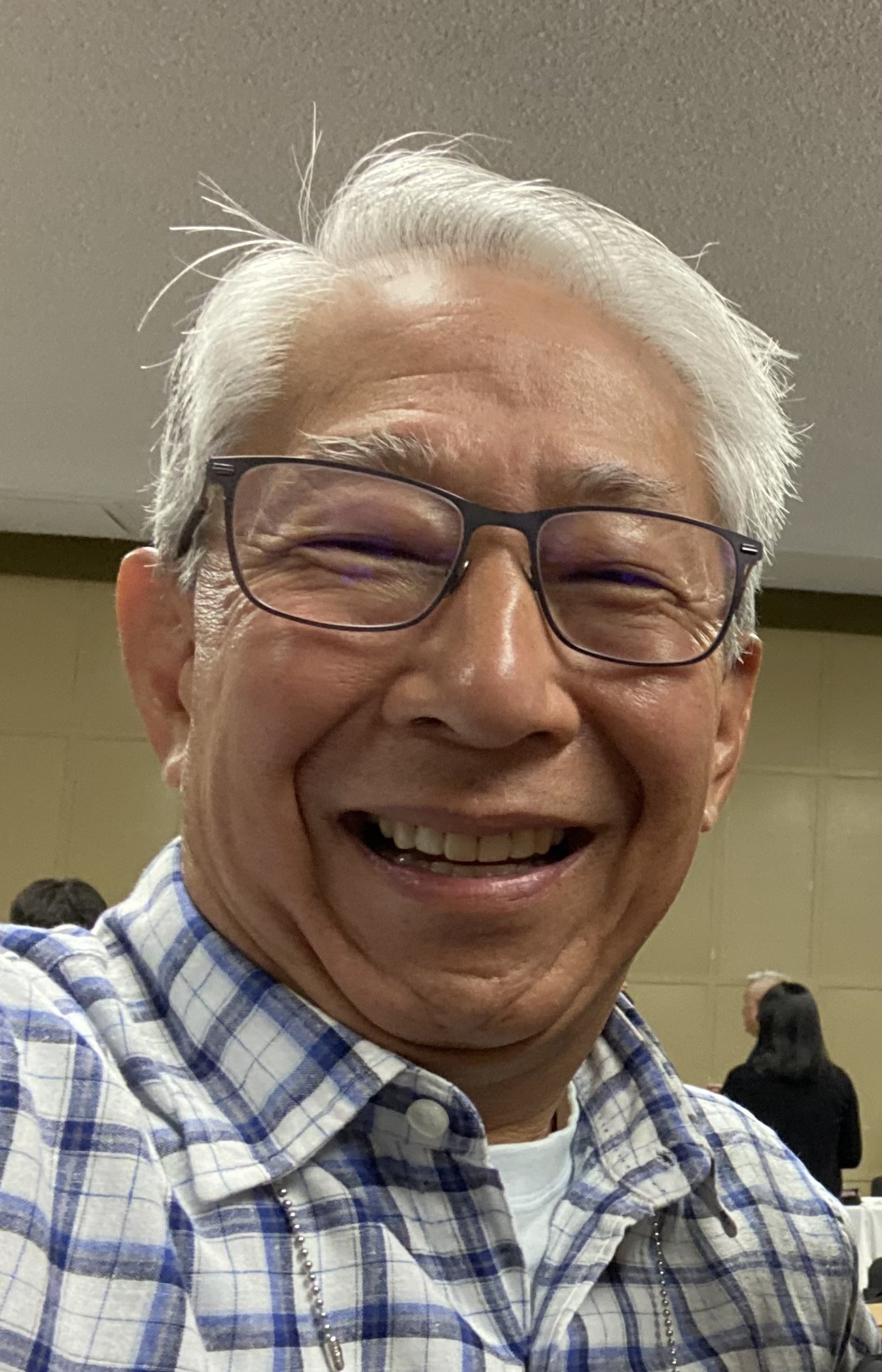
Brian Tsukimura, PhD
Professor, California State University, Fresno